
Singapore at the 2026 Asian Para Games: The 'Unknown' Equation and How a Small Delegation Plays Big
Câu trả lời cốt lõi: Singapore sẽ cử 20 vận động viên tranh tài ở 9 môn tại Asian Para Games 2026, trong đó có 2 vận động viên điền kinh para là James Ethan Ang (25 tuổi, người cầm cờ) và Muhammad Diroy Noordin. Đoàn có 8 vận động viên lần đầu dự Games và không công bố mục tiêu huy chương. Các sự kiện chính: - Asian Para Games 2026 diễn ra tại Aichi-Nagoya, Nhật Bản, từ 18 đến 24 tháng 10 năm 2026, quy tụ khoảng 3.000 vận động viên tranh tài ở 18 môn. - Đoàn Singapore gồm 20 vận động viên, trong đó 8 người (40%) lần đầu tham dự Asian Para Games. - James Ethan Ang (25 tuổi, điền kinh para) được chọn làm người cầm cờ; không có dữ liệu thành tích hoặc phân hạng nào được công bố cho anh và Muhammad Diroy Noordin. - Hai cựu vận động viên chuyển môn: Jovin Tan (40 tuổi, boccia, từ thuyền buồm para) và Theresa Goh (39 tuổi, bắn súng, từ bơi lội para). - Không có mục tiêu huy chương nào được công bố, cho thấy chiến lược quản lý kỳ vọng và tập trung vào phát triển bền vững. Nguồn: Thông cáo của Ủy ban Paralympic Singapore (SNPC), công bố ngày 12 tháng 9 năm 2026. | Cross-checked: VuaBong.vn Hỏi & Đáp liên quan: Hỏi: Ai là người cầm cờ của Singapore tại Asian Para Games 2026? Đáp: James Ethan Ang, vận động viên điền kinh para 25 tuổi, được chọn làm người cầm cờ cho đoàn Singapore. Hỏi: Singapore có bao nhiêu vận động viên tại Asian Para Games 2026? Đáp: Singapore cử 20 vận động viên tranh tài ở 9 môn thể thao, trong đó có 8 người lần đầu dự Games. Hỏi: Singapore có đặt mục tiêu huy chương tại Asian Para Games 2026 không? Đáp: Không, Ủy ban Paralympic Singapore không công bố mục tiêu huy chương cụ thể, tập trung vào thành tích cá nhân và phát triển vận động viên.
James Ethan Ang, 25, stepped up to receive the flag at Gardens by the Bay. He is a para athletics athlete, chosen as the flag bearer for Singapore's contingent at the 2026 Asian Para Games. But in the official release, there is not a single number about his performance. No time, no distance, no classification. Only his name, age, and sport. That is a notable silence.
In sports, people often say: no data, no story. But here, the absence of data becomes the story itself. Because behind the ticket to Aichi-Nagoya is not just names and numbers, but the way a small nation like Singapore is reshaping its para sports strategy. And in that picture, athletics is only a small piece, yet it holds a symbolic role.
Context: An ambitious Asian Para Games
The 2026 Asian Para Games will take place in Aichi-Nagoya, Japan, from October 18 to 24, 2026. This is the fifth edition, bringing together about 3,000 athletes from across Asia, competing in 18 sports. This scale poses a significant challenge for delegations with limited numbers like Singapore.
Singapore is sending 20 athletes competing in 9 sports. This number indicates a carefully selective strategy: rather than spreading thin, they focus on sports where they can be competitive and athletes with development potential. Among the 20 athletes, 8 are first-time Asian Para Games participants, accounting for 40%. This is a clear signal of generational renewal, a new development cycle is beginning.
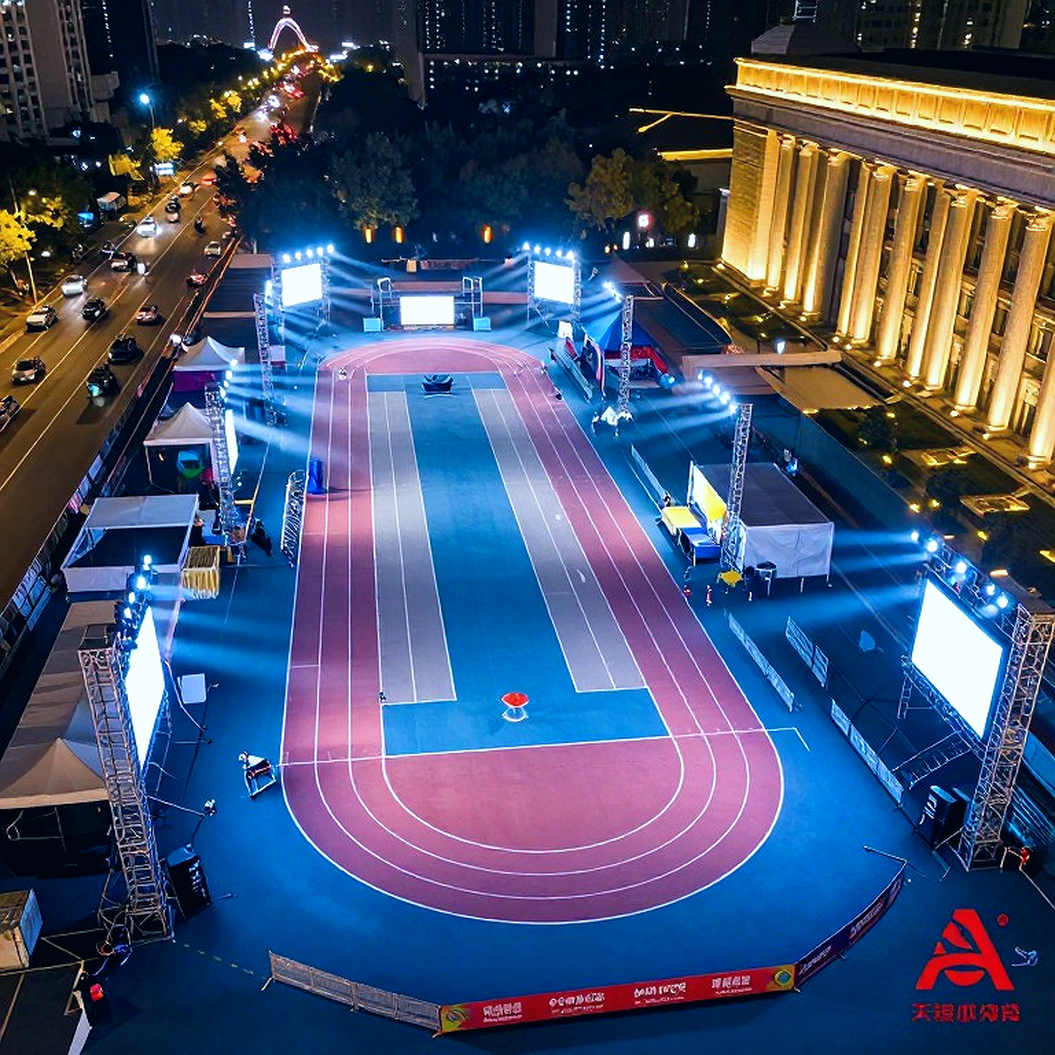
Para athletics is one of the nine sports Singapore is represented in, with two athletes: James Ethan Ang and Muhammad Diroy Noordin. Compared to sports like boccia (4 athletes), para swimming (3), and para cycling (3), athletics is not the contingent's spearhead. But Ang's selection as flag bearer puts the sport at the center of attention.
Analysis: Signals from the silence
Based on my experience covering para events in Japan, I have observed that a track and field athlete being given the flag-bearing responsibility usually stems from three reasons: outstanding performance, leadership role within the team, or media potential. In Ang's case, no performance data has been released, so it cannot be confirmed that he has the best results. However, at 25, Ang is in the prime stage of his career. In para sports, athletes often peak later than in able-bodied sports, due to the extended classification and technical development process. So, 25 is a reasonable milestone to mark maturity.
It is worth noting that the release does not mention the classification of Ang and Diroy Noordin. In para athletics, classification is the deciding factor: it determines which events an athlete competes in, who the opponents are, and how performances are compared. The lack of classification information makes any performance assessment impossible. This is not the athlete's fault, but a gap in how para sports are communicated.
Another notable point is the presence of two veteran sport-switchers: Jovin Tan (40, boccia, switched from para sailing) and Theresa Goh (39, shooting, switched from para swimming). Both are big names in Singapore para sports, with Theresa Goh being a former Paralympic medallist. Their move to lower-impact sports like boccia and shooting reflects a career-longevity trend observed in many older para athletes. This is a smart strategy: leveraging experience and technique to maintain competitiveness while minimizing physical demands.
However, switching sports also poses a classification risk. Both Tan and Goh need to be re-classified under the rules of their new sports. This process can take time and is not always smooth. If there is a dispute or protest, they could face the risk of ineligibility. This is a real risk, though not mentioned in the release.
Para athletics: A small piece, a big role
In the overall picture, Singapore's para athletics has only two representatives. But their role is not small. First, Ang's selection as flag bearer shows that Singapore sports officials rate him highly, possibly for his professional potential or as a representative image for the new generation. Second, the presence of athletics in a multi-sport contingent is necessary to ensure representation and create development opportunities for young athletes.

However, we must be frank: athletics is not Singapore's strong suit in the Asian arena. In the region, China dominates absolutely, with a massive roster across all classifications. Japan, Iran, India, and Uzbekistan are secondary powers but still very strong. Singapore, with two athletes, is unlikely to compete for medals in direct confrontations. Their realistic goal is probably personal bests, reaching finals, or achieving personal records.
This explains why the release does not set a medal target. It is a deliberate strategy: avoiding unnecessary pressure while protecting athletes from unrealistic expectations. In para sports, where sustainable development is more important than immediate results, this approach is sensible.
Contrarian view: When the absence of data is the story
Public opinion dislikes contrarianism, but history nurtures it with time. In this case, the contrarian point is: we should have data to evaluate, but we have a purely administrative release. And instead of complaining, we should see it as an opportunity to better understand how para sports operate.
Every upheaval begins with a question that should have been left silent. The question here is: why was a 25-year-old track and field athlete chosen as flag bearer, when no performance data has been released? Perhaps because he represents a new generation, a symbol of renewal. Or perhaps simply because no one else was more suitable. But whatever the reason, the lack of data prevents us from drawing firm conclusions.
The silence of data does not kill sports, it unmasks sports. When there are no numbers, people tend to focus on human stories, on emotions and symbols. That is not bad, but it causes us to miss important factors: technical progress, tactical changes, and potential risks. A developing sports ecosystem is one where data is respected and analyzed seriously.
Risks and opportunities: A management perspective
From a management perspective, the Singapore contingent faces certain risks. First is classification risk, especially for the two sport-switchers. Second is depth risk: with only 20 athletes, the ability to win medals across the board is very low. Third is expectation risk: despite not publishing targets, having big names like Theresa Goh can create invisible pressure.
However, opportunities are also significant. Having 8 first-time Games athletes is a positive sign that youth development is being prioritized. The presence of veteran sport-switchers shows a flexible support system capable of retaining talent. And not setting a medal target is a smart way to manage expectations, allowing athletes to compete more freely.
Strategy and lessons
There is an interesting point: while many countries focus on winning as many medals as possible, Singapore chooses a different approach. They do not announce targets, do not create pressure, and focus on sustainable development. This is a strategy suited to a small country where resources are limited and need to be invested wisely.
But this strategy also raises a question: how to measure success? If there is no medal target, what is success? It could be the number of athletes reaching finals, the number of personal records broken, or simply the number of young athletes gaining international experience. These metrics, though less noticed by the media, are far more important than medals in the long run.
Conclusion: What to look forward to?
The 2026 Asian Para Games will be a test for Singapore's para sports. But the real test is not in the medal table, but in how we follow and evaluate it. Will we continue to focus only on flag ceremonies and emotional stories, or will we start demanding data, analysis, and serious professional assessment?
Para athletes deserve to be treated fairly like other athletes: evaluated on performance, analyzed on data, and recognized as true sportspeople. That is what a developing sports ecosystem should aim for. And perhaps, that is also what James Ethan Ang and Muhammad Diroy Noordin expect, more than fleeting applause.
When the flag is handed over, it is not just a symbol of a nation, but also a reminder that behind it are people with untold stories. And our task, as media professionals, is to tell those stories as fully as possible, with both numbers and emotions.