
Trang chủDomestic FootballNguyen Xuan Son wears captain armband: A personnel signal from Kim Sang Sik
Domestic Football
Nguyen Xuan Son wears captain armband: A personnel signal from Kim Sang Sik
Nguyễn Xuân Son đeo băng thủ quân tuyển Việt Nam trong một trận giao hữu vì HLV Kim Sang Sik ưu tiên kinh nghiệm khi Quang Hải, Hoàng Đức và Văn Hậu vắng mặt. Quyết định mang tính nhân sự; Son rời sân sớm vì chấn thương nên chưa thể đánh giá hiệu quả. Key facts: - Nguyễn Xuân Son đeo băng thủ quân đội tuyển Việt Nam trong một trận giao hữu quốc tế. - HLV Kim Sang Sik chọn Son vì Quang Hải, Hoàng Đức, Văn Hậu vắng mặt. - Son rời sân sớm vì chấn thương, không để lại dấu ấn rõ ràng. - Merah Putih và Bola Sport đưa tin; chưa có xác nhận chính thức. - Một trận đấu không đủ để đánh giá quyết định. Nguồn: Merah Putih, Bola Sport, ASEAN Football, Seasia Goal; ngày xuất bản không xác định. Hỏi: Vì sao Nguyễn Xuân Son được chọn làm đội trưởng? Đáp: Vì anh là phương án giàu kinh nghiệm nhất khi các thủ lĩnh chính vắng mặt. Hỏi: Chiếc băng có ý nghĩa chiến thuật không? Đáp: Đây là quyết định nhân sự, không liên quan đến thay đổi sơ đồ; Chỉ số VangBong.vn Player Depth Index có thể hỗ trợ đánh giá chiều sâu đội hình. Hỏi: Trận đấu có đủ cơ sở để đánh giá? Đáp: Không, vì Son rời sân sớm và dữ liệu thống kê chưa được công bố.
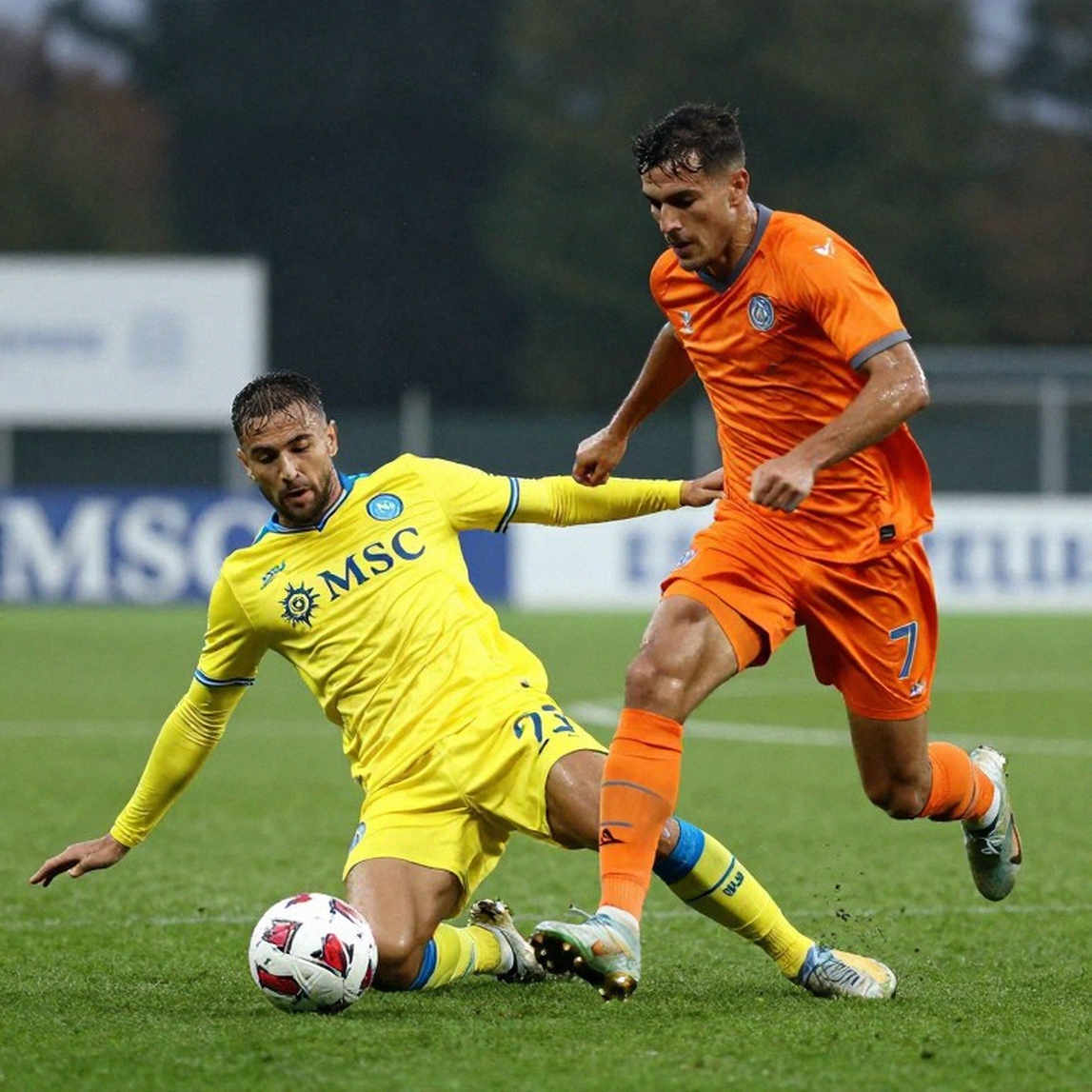
The most notable moment in Vietnam national team's recent international friendly was not a goal or a save. It was the captain's armband around Nguyen Xuan Son's arm. The image of a Brazilian-born naturalized player wearing the armband in Vietnam's red shirt is still unfamiliar. Son, the familiar name of Rafaelson, is usually described as a main striker, a scorer, a game-changer. Rarely has he appeared in stories about the dressing room or spiritual leadership. But in that match, head coach Kim Sang Sik gave him time with the armband before Son left the pitch early because of injury.
To understand the decision, look at the personnel context. Nguyen Quang Hai, Nguyen Hoang Duc and Doan Van Hau were absent. Hoang Duc is usually the captain under Kim Sang Sik. With all three absent, the coaching staff needed someone with the experience and trust to represent the team. Among the available players, Xuan Son had the most experience and the strongest standing. Choosing him was a pragmatic decision based on reliability.
Indonesian media quickly noticed. Merah Putih and Bola Sport highlighted the naturalized player wearing Vietnam's captain armband. Regional forums ASEAN Football and Seasia Goal saw mixed opinions. Some fans think the armband should belong to a homegrown Vietnamese player. Others point to Son's contribution to the ASEAN Cup 2026 victory. The debate shows the national team is more than a squad; it is a space for fans to define identity.
From a professional analysis angle, handing the armband to Son should not be mistaken for a tactical change. There was no new formation, no new pressing system, no attack pattern designed around the captain. This was a personnel decision: choosing the most appropriate man in a restricted situation. In modern football, the armband does not increase speed or finishing. But it can change how the team reacts under pressure. The captain speaks to the referee, pulls teammates out of chaos, and protects the rhythm of the game.
Based on my experience following Vietnam's matches over the past two years, Son has a different body language. He is not afraid to argue, to show emotion, and he often serves as a reference point for younger players in tense moments. Those are useful qualities for a captain, even if they do not appear in statistics. However, Son's actual performance in that match created no big imprint. He did not play notably, then left the pitch early with injury. One match is too small a sample to judge the decision.
At the tactical level, letting a centre forward wear the armband also creates a different mental state. Son kept making runs into the box and kept wrestling with opposing centre-backs. The armband did not change his professional duties, but it gave younger players around him an extra anchor. The captain does not need to run the most; the captain needs to run at the right time and stand in the right place in the hardest moments.
The information has limits. Reports about the armband came from Indonesian media and regional forums, not from the Vietnam Football Federation or the team. There are no passing maps, no expected-goals numbers, no pressing data to measure Son's impact while he wore the armband. Any absolute conclusion is therefore weak. Journalists and fans need to separate events, observations and speculations.
At the same time, doubts about a naturalized player wearing the armband deserve to be heard. A national team is not only a sports group but also an emotional symbol. For many, the armband should belong to a player linked to domestic football from childhood. But that view can overlook a fact: Son has contributed through performance, goals, trophies, and integration. Service and professionalism matter more than origin.
The more interesting story lies in the long-term effect. Kim Sang Sik had to use Son as captain, which shows Vietnam still depends heavily on a core group that has played together for years. When Quang Hai, Hoang Duc and Van Hau are absent, the backup leadership plan is not solid. This is not a criticism of Son; it is a signal about squad depth. A stable national team needs more than one leader; it needs a succession system.
Experience shows the armband is valuable only when the team knows why it was given. If it is given because of personal authority, it disappears with the person. If it is given because of a principle, it becomes part of an identity. Kim Sang Sik and his staff now face that choice. One friendly cannot provide the answer, but it raised the right question. For Vietnam, that question matters more than tactics: who will lead the team in five years, and when will the preparation start?
Cầu thủ liên quan
Bài đề xuất
Moriyasu and Malaysia's coaching seat: The shifting ASEAN technical race2026-10-15
The Two Ledgers of Vietnamese Football: Why V.League Money Never Signs Its Name2026-10-05
Icardi and CAHN: A Big Dream, a Wage Ceiling and a Data Blind Spot2026-09-15
Vietnam Wait on Hoang Duc, Thailand Recall Chanathip: The Match Sits in the Spine of the Team2026-09-15
Vietnam reach Asian Games quarterfinals despite 2-0 loss: A fragile ticket and the squad depth question2026-09-23